The psychological impacts of gambling Exploring Pin Up's influence on players
The allure of gambling: Understanding the psychological draw
The world of gambling is often depicted as exhilarating and laden with potential rewards. This allure stems from various psychological factors that captivate players. The thrill of risking money for a chance at winning big engages the brain’s reward system, prompting feelings of excitement and pleasure. This dopamine release can create a cycle where players continually seek out this exhilarating experience, especially on platforms like https://p1n-up.ca/, which offers a diverse array of games and betting options.
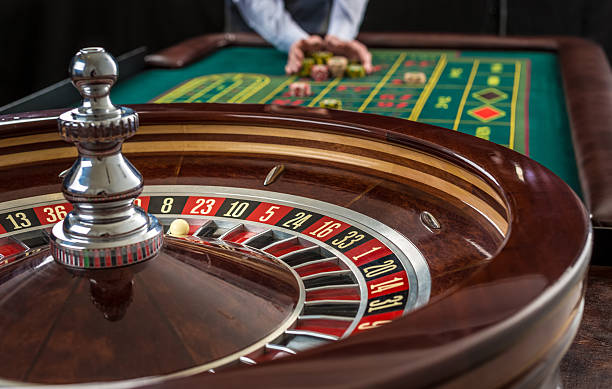
Moreover, the environment of online casinos can heighten these feelings. Pin Up Canada, with its immersive graphics and user-friendly interface, provides a virtual space where players can escape reality. This blend of engaging gameplay and the possibility of substantial rewards reinforces the psychological appeal of gambling, making it a powerful and sometimes overwhelming experience for players. The combination of anticipation, uncertainty, and the potential for financial gain fosters a unique psychological landscape that is difficult to resist.
Players may also experience a sense of community when engaging in online gambling. Chat features and live dealer games on platforms like Pin Up allow individuals to interact with others, creating a social dimension that can enhance the experience. This sense of belonging can be comforting, encouraging players to return for both social interaction and the excitement of gambling. As the psychological implications of gambling deepen, it is essential to recognize both the positive and negative impacts on players’ mental health.
The impact of wins and losses: Emotional responses to gambling
The emotional rollercoaster of gambling can significantly affect a player’s mental state. Winning can lead to feelings of euphoria and validation, which can boost self-esteem and promote a sense of accomplishment. Conversely, losing can trigger feelings of disappointment, frustration, and anxiety. This cycle of highs and lows can foster an intense emotional attachment to gambling, compelling players to continue participating in hopes of recapturing that euphoric feeling, especially on dynamic platforms like Pin Up.
This emotional volatility can create a dangerous pattern. Players may begin to chase losses, believing that a big win is just around the corner. This behavior can lead to impulsive betting decisions that deviate from responsible gambling practices. On Pin Up Canada, the availability of numerous games and betting options can exacerbate this trend, as players are constantly confronted with opportunities to gamble, making it easy to fall into the trap of chasing losses. Understanding this emotional impact is crucial for players to manage their gambling habits effectively.
Furthermore, the psychological impact of gambling losses can extend beyond the immediate emotional response. Persistent losses can lead to feelings of guilt or shame, especially if players feel they have let themselves or their loved ones down. These feelings can compound over time, potentially resulting in harmful coping mechanisms such as isolation or increased gambling in an attempt to escape negative emotions. Recognizing these patterns is essential in fostering healthier gambling behaviors and ensuring players maintain a balanced perspective on their gambling activities.
The role of advertising and branding in gambling psychology
The influence of advertising and branding in the gambling industry cannot be underestimated. Online platforms like Pin Up employ captivating marketing strategies designed to attract and retain players. These strategies often emphasize the excitement of winning and the luxurious lifestyle associated with gambling, shaping players’ perceptions and expectations. This branding can create a psychological impact, as players may begin to associate gambling with status, success, and excitement.
Moreover, promotional offers, such as bonuses and free spins, are strategically utilized to enhance this psychological influence. Such incentives can lead to impulsive decisions, drawing players into gambling experiences they may not have otherwise pursued. Pin Up, for example, effectively employs promotional campaigns that not only attract new players but also keep existing ones engaged. This constant reinforcement can skew players’ perceptions, leading them to view gambling as a viable and exciting form of entertainment.
However, this form of marketing can also mask the potential dangers of gambling. The enticing portrayal of success can overshadow the risks involved, leading individuals to overlook responsible gambling practices. The psychological impact of this kind of branding emphasizes the need for awareness among players, urging them to approach gambling as a form of entertainment rather than a guaranteed way to achieve wealth or success.
The impact of social dynamics on gambling behavior
Gambling behavior is often influenced by social dynamics, with peer pressure and social acceptance playing significant roles. In online platforms like Pin Up, players are frequently exposed to the activities of others, which can create a sense of urgency to participate. Social features, such as leaderboards and shared experiences, can amplify this effect, encouraging individuals to engage in gambling to fit in or compete with their peers. This social dimension can lead to an increase in gambling frequency and expenditure, even among those who may not have initially intended to gamble.
The desire for social validation can significantly affect gambling decisions. Players may feel compelled to maintain a certain image or status within their social circles, leading them to gamble more than they can afford. The influence of friends or family who endorse gambling can further reinforce these behaviors. Understanding the impact of these social dynamics is critical in recognizing the broader implications of gambling and its potential to lead to problematic behavior.
Additionally, the role of social media cannot be overlooked. Sharing wins or experiences on social platforms can create a sense of competition and comparison among players, enhancing the psychological appeal of gambling. This phenomenon can encourage individuals to gamble in an effort to gain similar recognition or validation from their peers. Recognizing these social influences can help individuals make more informed decisions about their gambling habits, promoting a healthier approach to online gaming.

Pin Up: A comprehensive approach to responsible gambling
Pin Up recognizes the importance of responsible gambling and strives to provide a safe environment for players. The platform offers various tools and resources designed to promote responsible gaming, including self-exclusion options, deposit limits, and informative materials that educate users about the potential risks associated with gambling. By fostering an awareness of responsible gambling practices, Pin Up aims to mitigate the psychological impacts of gambling on its users.
Additionally, Pin Up collaborates with organizations that specialize in gambling addiction and mental health to offer support to players who may be struggling. This partnership not only demonstrates the platform’s commitment to player welfare but also reinforces the idea that gambling should be an enjoyable activity rather than a source of stress or anxiety. Creating a supportive community around responsible gambling is vital in addressing the psychological impacts players may face.
Ultimately, Pin Up’s multifaceted approach emphasizes the need for balance in gambling activities. By providing players with the necessary tools and support, the platform aims to create an environment that prioritizes mental health while still offering the excitement and enjoyment of online gaming. Understanding and addressing the psychological impacts of gambling is essential for fostering a culture of responsibility within the gambling community.